Adaptive Bodybuilding
Adaptive Bodybuilding
A class in every category
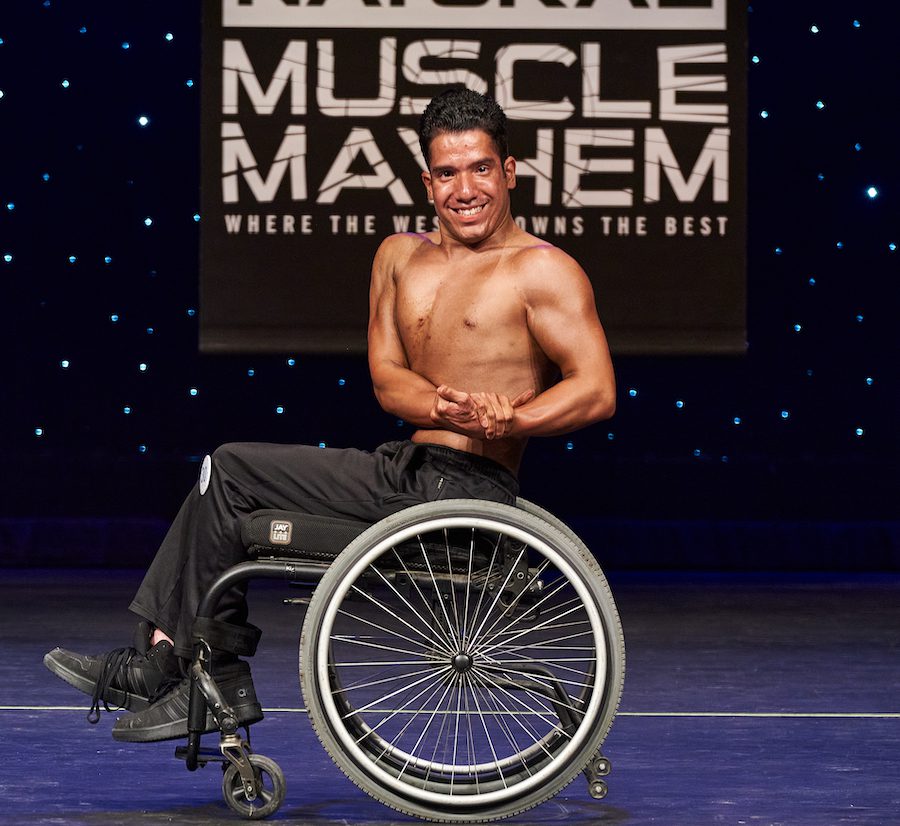
Adaptive Bodybuilding is for athletes with lasting physical disabilities or conditions that significantly impact their mobility, strength or physical function. You can enter it as a class within any category, competing against athletes with similar functional abilities.
Athletes are grouped by how their condition affects muscle control, coordination and development, so everyone is judged fairly.
Conditions affecting the nervous system, which may impact muscle function, coordination and symmetry.
For example: cerebral palsy, multiple sclerosis, stroke, or spinal cord injuries with neurological impairment.
Structural or limb-related impairments that affect mobility but don't directly impact muscle control or function.
For example: amputations, joint disorders, congenital limb differences, or spinal injuries without neurological impairment.
Your choice: if there are no other adaptive athletes in your category, you can choose to be judged on your own, or against the non-adaptive athletes.
A physical disability or condition with a lasting impact on your mobility, strength or physical ability.
Eligible
Not eligible
Proof of your condition: you may be asked for a letter from a licensed physician describing your condition and that it's permanent, or certification from a recognised adaptive sports or disability organisation.
On stage
You follow the posing guide for the category you enter, adapted to suit your abilities.
Your needs are reviewed individually so the right accommodations are in place, such as ramp access or a tailored posing routine.
Ready to step on stage?
Choose your category, then enter the Adaptive class when you register.